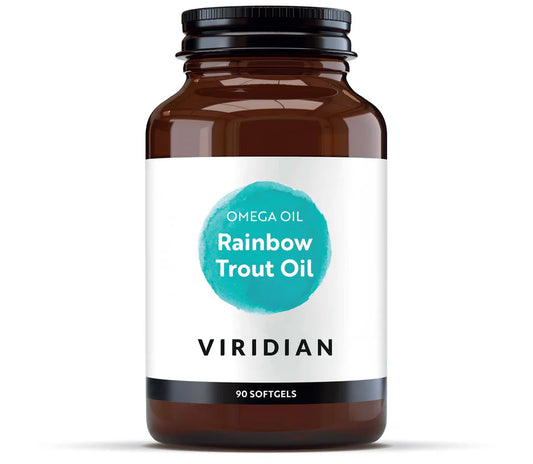
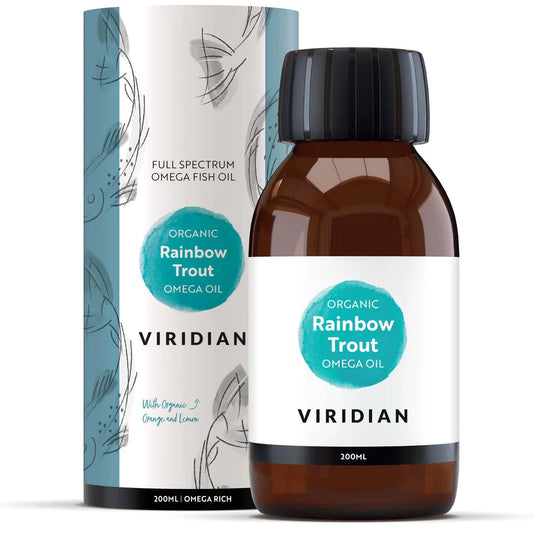
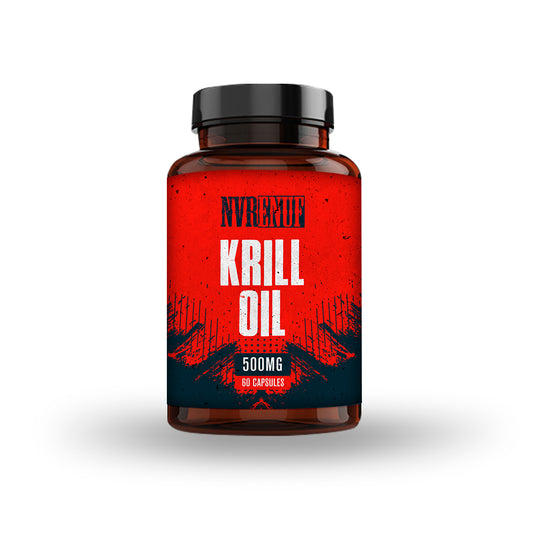
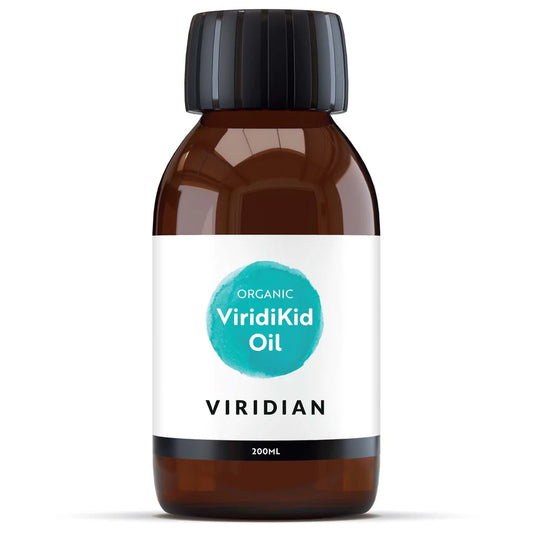
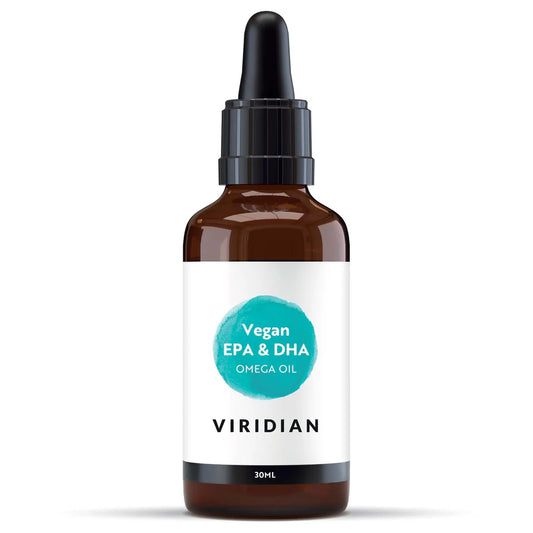
Omega oils are the most skipped item in a sensible supplement routine, and usually for the wrong reason. Most people tried a budget fish oil capsule, noticed nothing, and gave up. The problem is almost always the form: ethyl ester fish oil, the cheapest version, has poor bioavailability. This range stocks the options that actually get absorbed.
We've kept the focus on quality over volume: krill oil with phospholipid-bound EPA and DHA, Wiley's Fish Oil for premium triglyceride fish oil, and a small number of other formats that earn their place. No fairy-dust doses, no mystery catch sources. Browse the omega oils range and pick what fits your routine.
Read the full omega oils buying guide
Why most omega-3 supplements don't work
The omega-3 market has a quality problem. A cheap fish oil in ethyl ester form - the version stacked high in discount health aisles - has significantly lower bioavailability than natural triglyceride or phospholipid forms. You take it, not much gets absorbed, you notice nothing, and you conclude omega-3 isn't for you. It's not that omega-3 failed you. It's that the cheapest version of it did. The key thing to check on any fish oil label is the EPA and DHA content - not the total fish oil figure, which is largely meaningless.
Who this range is for
Omega-3s are broadly useful, but a few groups benefit most:
- Adults over 40 supporting cardiovascular health and joint comfort as part of a daily routine
- Active people and gym-goers wanting extra support for recovery and normal joint function
- Anyone eating little or no oily fish who needs to cover EPA and DHA intake through supplementation
- People who tried fish oil, couldn't stand the fishy burps, and stopped - krill oil doesn't cause reflux
Fish oil or krill oil: how to choose
If budget matters, a quality fish oil in natural triglyceride form is the right call. Omega-3 fatty acids EPA and DHA contribute to normal heart function at a daily combined intake of 250mg. Choose a product that shows the EPA and DHA content clearly, not just the total fish oil weight. For the Wiley's Fish Oil range, that information is front and centre.
Krill oil is the premium option. Its omegas are phospholipid-bound, the same structural form your cell membranes use, which means the body processes them efficiently. Krill also delivers astaxanthin, a potent antioxidant. No fishy reflux either. One important note: krill oil is marine-derived and not suitable for vegetarians or vegans. For a plant-based alternative, look for algae-derived EPA and DHA options.
Is krill oil really better than fish oil?
Often better absorbed, not always the right choice for everyone. Phospholipid-bound krill EPA and DHA are used efficiently by the body, which is a genuine advantage. But a quality triglyceride fish oil delivers strong results at a lower price point. What you want to avoid is ethyl ester fish oil - it's at the bottom of the bioavailability range. If joint support is part of your goal alongside cardiovascular health, the Joint and Bone range pairs well with any omega-3 routine.
Can I take omega-3 alongside other supplements?
Yes, without issue in most cases. Omega-3s are commonly stacked with Vitamin D3 - both are fat-soluble, so taking them together with a meal containing a little fat improves absorption of both. They also pair well with formulas in the Joint Care range and with magnesium. If you're on blood-thinning medication, check with your GP before taking high-dose omega-3s.