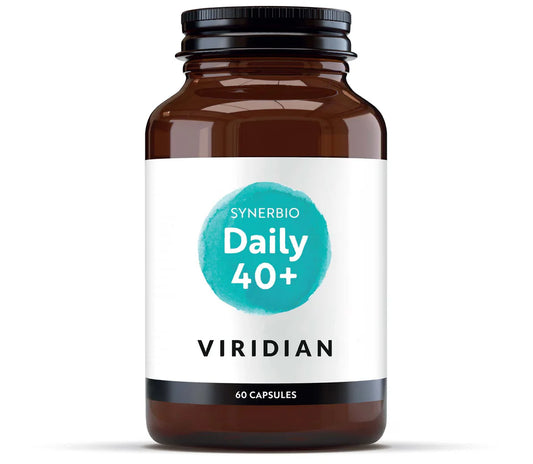
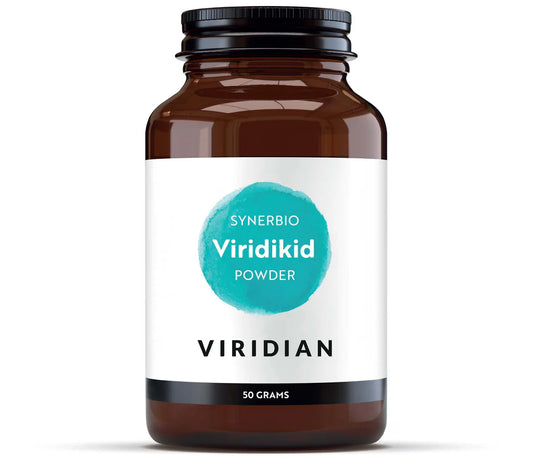
Probiotics are for anyone whose gut isn't quite right - regular bloating, irregular digestion, or that low-level discomfort after meals that most people just put up with. They're also popular with people coming off antibiotics, anyone supporting their immunity from the inside out, or those whose diet has taken a hit lately.
Most probiotic products are under-dosed or use strains that have no real evidence behind them. At LSC we only stock ranges with named strains, meaningful CFU counts, and formulas stable enough to reach the gut intact. That includes our LSC Supplements line alongside carefully chosen brands like Terranova and Viridian. Browse the range below.
Read the full probiotics buying guide
Why most probiotic supplements don't work
The number on the label - 10 billion CFU - tells you very little on its own. What matters is which strains are in the product, whether they're acid-stable enough to survive the stomach and reach the lower gut alive, and whether the dose is still viable by the time you open the capsule. A lot of what's on the market is expensive label theatre: weak strains in low doses that are effectively dead on arrival. At LSC we look at strain specificity and stability before anything goes on the shelf. If we wouldn't take it ourselves, it doesn't make the cut.
Who this range is for
Three types of people shop this collection most. Anyone whose digestion isn't quite right - bloating, irregularity, or that persistent discomfort after eating. Anyone who has recently finished antibiotics and wants to support their gut microbiome while it recovers. And active adults who understand that gut health and immune function are closely connected and want to support both consistently. If you fit any of those descriptions, you're in the right place.
How to choose a probiotic
For general daily gut routine support, start with a broad multi-strain formula. Terranova and Viridian both carry well-formulated multi-strain options using named, researched strains. A higher CFU count isn't always better - 10 billion from three stable, well-researched strains beats 50 billion from cheaper strains that won't survive stomach acid. If a healthcare practitioner has recommended a specific strain for a specific reason, targeted single-strain products give you more control over exactly what you're taking.
How to take probiotics
Most probiotics are best taken with food or just before a meal. If you're currently taking antibiotics, take your probiotic at least two hours apart from the antibiotic dose - taking them together means the antibiotic can wipe out the bacteria before they do anything useful. Pairing a probiotic with a prebiotic (fibre-based formulas that feed the bacteria already living in your gut) is a solid combination for a consistent daily routine. Browse the Gut Health range for complementary products alongside probiotics.
Can I take probiotics if I have a gut condition?
Probiotic supplements are not a treatment for any medical condition. If you have a diagnosed gut condition - Crohn's disease, IBS, or colitis - speak to your GP or a gastroenterologist before starting anything new. What probiotics can do is support your daily gut routine as part of a consistent approach that includes food, hydration, and movement. For most people without a diagnosed condition, a good-quality probiotic is a straightforward addition to a daily routine with no special precautions needed.